

Children’s parties are often full of energy, noise, and excitement, but if your child has sensory sensitivities, that same environment can feel overwhelming rather than enjoyable.
If you’re planning a party for your child, you may be wondering how to create something that still feels special, without causing stress or discomfort.
This guide shares practical, real-life advice to help you create a celebration that feels safe, enjoyable, and tailored to your child’s needs. From managing noise levels to preparing them in advance, these tips are based on real experiences working with families and supporting neurodivergent children at parties.
The goal is simple: help your child feel comfortable, confident, and able to enjoy their day in their own way.
What Are Sensory Sensitivities & How Do They Affect Parties?
Sensory sensitivities relate to how your child experiences and responds to sensory input such as:
Noise
Light
Movement
Crowds
Touch
For some children, especially those who are neurodivergent, typical party environments can feel intense. Loud sounds, bright colours, and unpredictable activity can quickly become overwhelming.
That doesn’t mean your child can’t enjoy a party. It simply means planning it in a way that works for them.
Why Can Children’s Parties Feel Overwhelming?
Many traditional parties combine multiple sensory triggers at once:
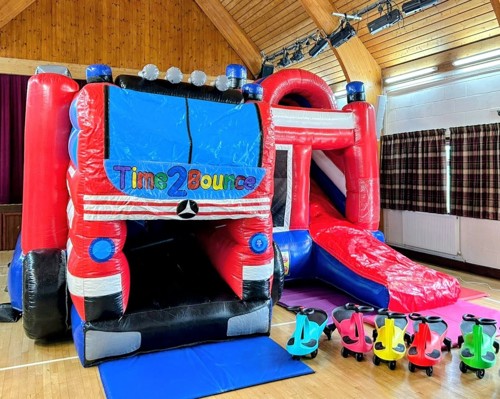
Loud inflatables being set up
Music or background noise
Large groups of children
Bright decorations
Fast-paced activity
Even something as simple as a blower switching on can feel sudden and distressing.
From experience, one of the most important things to consider is how the environment feels for your child before, during, and after the party.
How Can You Reduce Noise Sensitivity at a Party?
Noise is one of the most common triggers for children with sensory sensitivities.
Prepare for Setup Noise
Inflatables and equipment can be loud when first switched on. A simple but effective approach is:
Keep your child out of the room during setup
Allow them to return once everything is running steadily
Avoid exposing them to sudden start-up sounds
Many providers (including us at Time2Bounce) are happy to work around this by setting up early and only turning equipment on once your child is ready.
Keep Background Noise Predictable
Once the equipment is running, the sound becomes consistent and easier to tolerate. Try to:
Avoid sudden music changes
Keep volume levels moderate
Limit overlapping sounds
Offer Quiet Alternatives
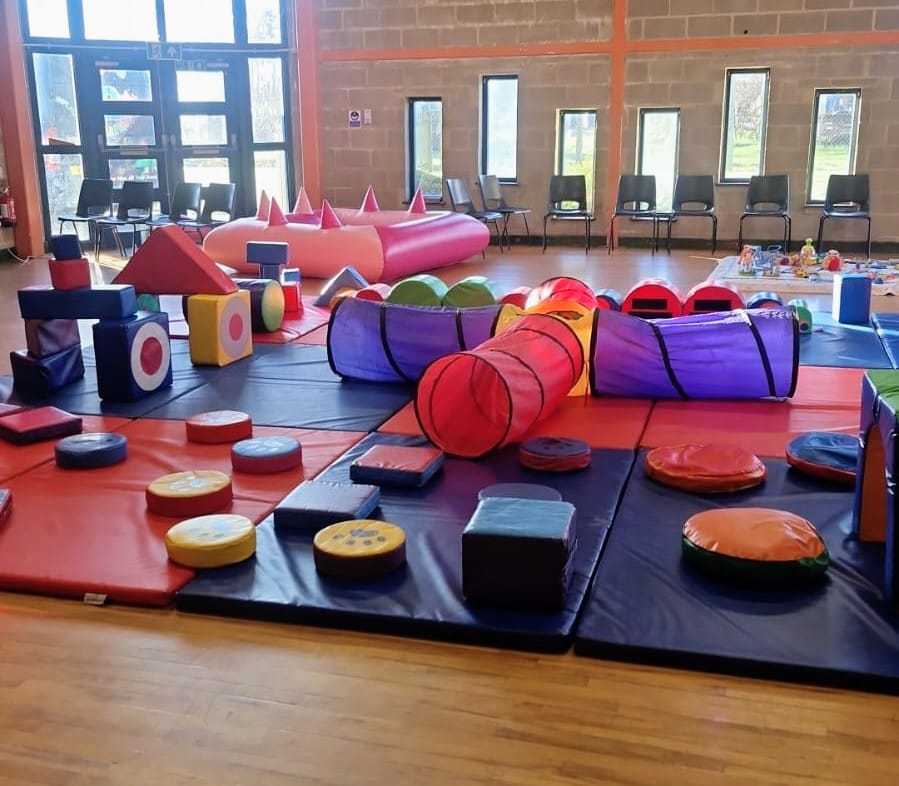
Create a calm, quieter space where your child can take a break if needed. This could be a separate room or a designated soft play area.
How Can You Help Children Adjust Before the Party Starts?
Preparation is key to making the day feel manageable.
Introduce the Environment Early
A really helpful approach is allowing your child to see and explore the setup before the party begins.
This might include:
Letting them see the equipment in a calm setting
Giving them time to understand what will happen
Allowing them to interact with it at their own pace
Many families find that this reduces anxiety and builds confidence.
Gradual Build-Up
Instead of starting with a full, busy party:
Begin with quiet play
Slowly introduce more activity
Let your child take the lead
This helps them feel more in control of the environment.
What Equipment Works Best for Sensory-Friendly Parties?
Choosing the right setup can make a big difference to your child’s comfort.
Soft Play Options
Soft play setups can provide:
Gentle, low-impact play
Less overwhelming movement
Flexible pacing
Adjustable Environments
Some setups allow flexibility:
Lights can be added or removed
Music can be included or turned off
Layouts can be adapted
This means the party can be tailored specifically to your child.
Larger Spaces for Older Children
For older children, having more space can help:
Reduces crowding
Allows for quieter, independent play
Gives more freedom to step away when needed
How Do You Manage the Transition Before & After the Party?
Transitions can be just as important as the party itself.
Before the Party
Keep things calm and predictable
Avoid rushing
Stick to familiar routines where possible
After the Party
Once guests leave, avoid a sudden stop.
Allow your child extra time to play quietly
Create a calm wind-down period
Gradually return to normal routines
This helps prevent emotional overwhelm after the excitement.
Hosting a Party That Also Welcomes Other Children with Different Needs
If your child has sensory sensitivities, there’s a good chance some of their friends may have different needs too.
A few simple adjustments can make your party more inclusive:
Offer a quiet space with soft play or calming activities
Allow certain children to arrive a little earlier to explore the setup
Keep the schedule flexible rather than structured
Communicate with other parents ahead of time
Small changes like these can make a big difference for everyone attending.
Real-Life Example: Adapting for Different Needs
In practice, no two parties are the same.
For example:
Some children prefer very quiet environments with minimal noise
Others enjoy lights and music but need a gradual introduction
Some benefit from early setup and time to explore before guests arrive
At Time2Bounce, we often arrive early to allow children time to settle in and explore the equipment, and we wait until they are out of the room before switching anything on. These small adjustments can make a big difference to how comfortable a child feels. If your child would benefit from additional time to get used to the equipment, just let us know, we’re more than happy to arrive even earlier so everything feels calm and comfortable for them.
When Should You Ask for Help?
If you’re unsure how to plan a party that works for your child, it’s always worth asking for advice.
Experienced providers can:
Suggest suitable equipment
Recommend layouts
Adapt setups based on your child’s needs
Get in Touch for Personalised Advice
Final Thoughts: Creating a Positive Party Experience
A successful party doesn’t need to be loud or overwhelming. It just needs to feel right for your child.
By focusing on:
Preparation
Flexibility
Understanding their individual needs
You can create a celebration that feels enjoyable, calm, and positive.
Every child deserves to feel comfortable on their special day, and with the right approach, that’s absolutely possible.